LOCAL INITIATIVES
We believe in civil participation as a concrete tool to bring about change, in the community and for the local community.
Vaglia (FI)
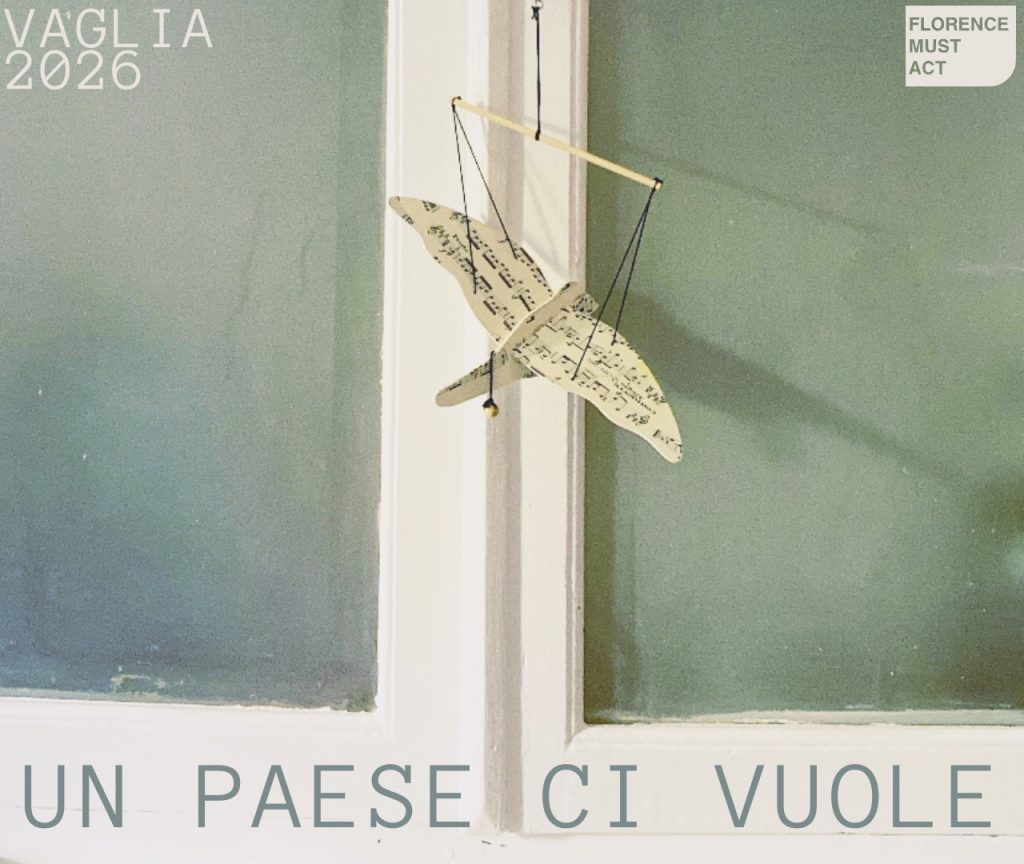
“Un paese ci vuole” | Project selected by Fondazione Carlo Marchi 2025
“Un paese ci vuole” is a community co-building project taking place in the Municipality of Vaglia from March to October 2026. Its aim is to create a space for meaningful interaction between people hosted in two Extraordinary Reception Centers (CAS) in the area (specifically in the hamlets of Pratolino and Bivigliano) and the local community.
Through a rich program of experiential activities centered on geography – understood as an identity, linguistic, and social framework – the project seeks to strengthen local ties, counter isolation, and foster more authentic and aware narratives on the theme of otherness.
Reggello, San Casciano, Signa (FI)
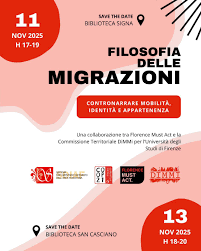
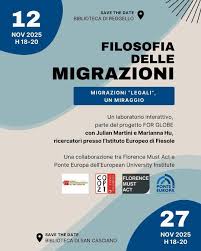
Philosophy of Migration | Workshop 2025
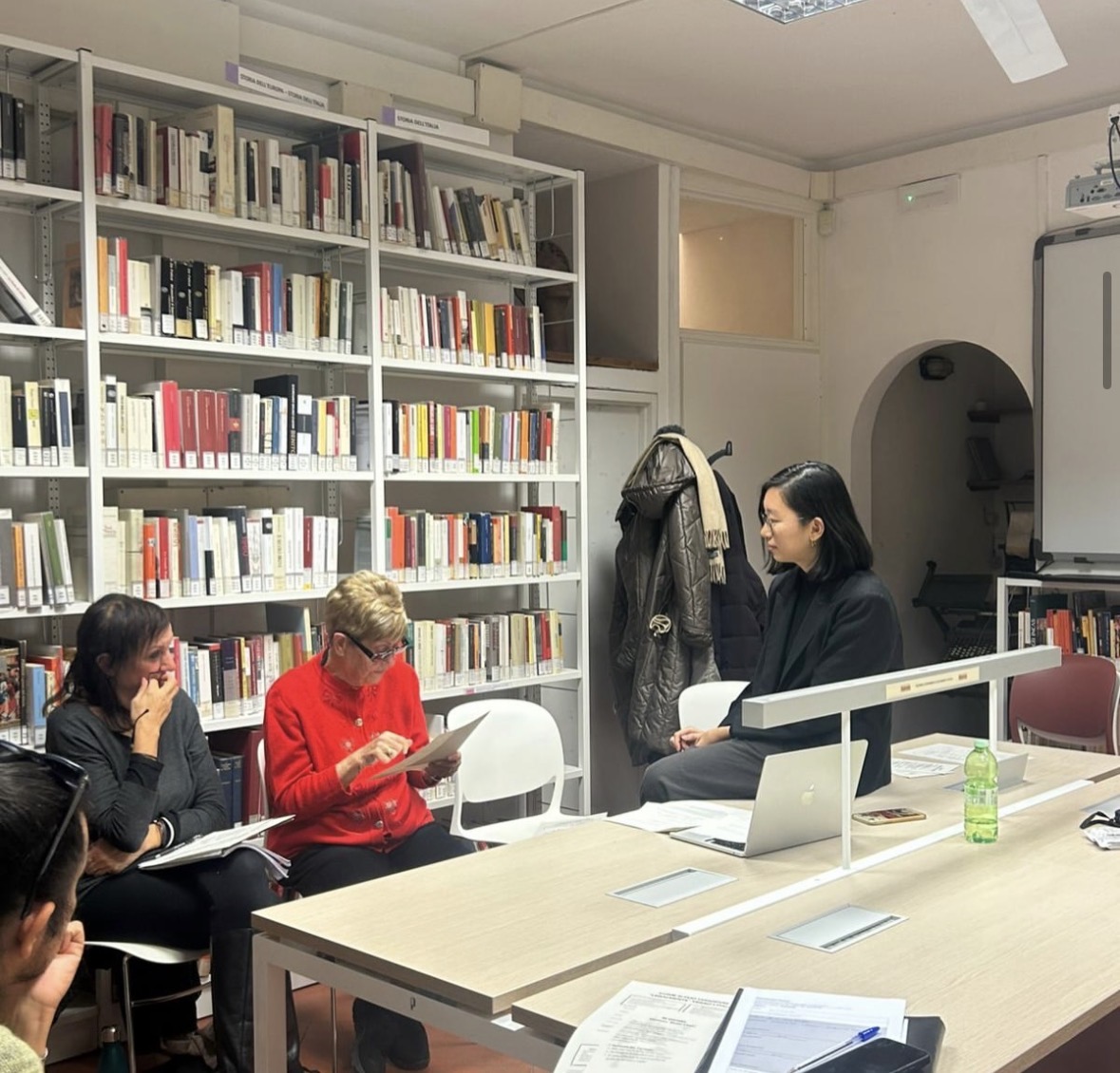
“Philosophy of Migration” workshop took place in 2025 in three libraries in the province of Florence (Reggello, San Casciano, Signa), thanks to a successful collaboration with Coop.21. It was conceived as a space for critical and shared reflection on migration, discussed not only as a political or social issue, but as a human, historical, and philosophical experience.
From this perspective, migration was analyzed as a process that challenges fundamental concepts such as identity, belonging, borders, citizenship, and hospitality. The program combined moments of theoretical in-depth study with participatory methodologies, encouraging dialogue and exchange among participants.
Activities included interactive lectures, group discussions, case study analysis, and first-hand testimonies, offering multiple perspectives on the causes of migration, the experiences of migrants, and the socio-cultural and political effects on societies.
Particular attention was given to the territorial dimension, through the presentation of local awareness-raising projects showing how migration can become an opportunity for collective social growth.
Through engagement with experts and collaborative work, participants were encouraged to develop a critical and responsible perspective, transforming “philosophical” reflection into a tool for self-deconstruction and for imagining new forms of collective life.
Murals for Ousmane and Moussa
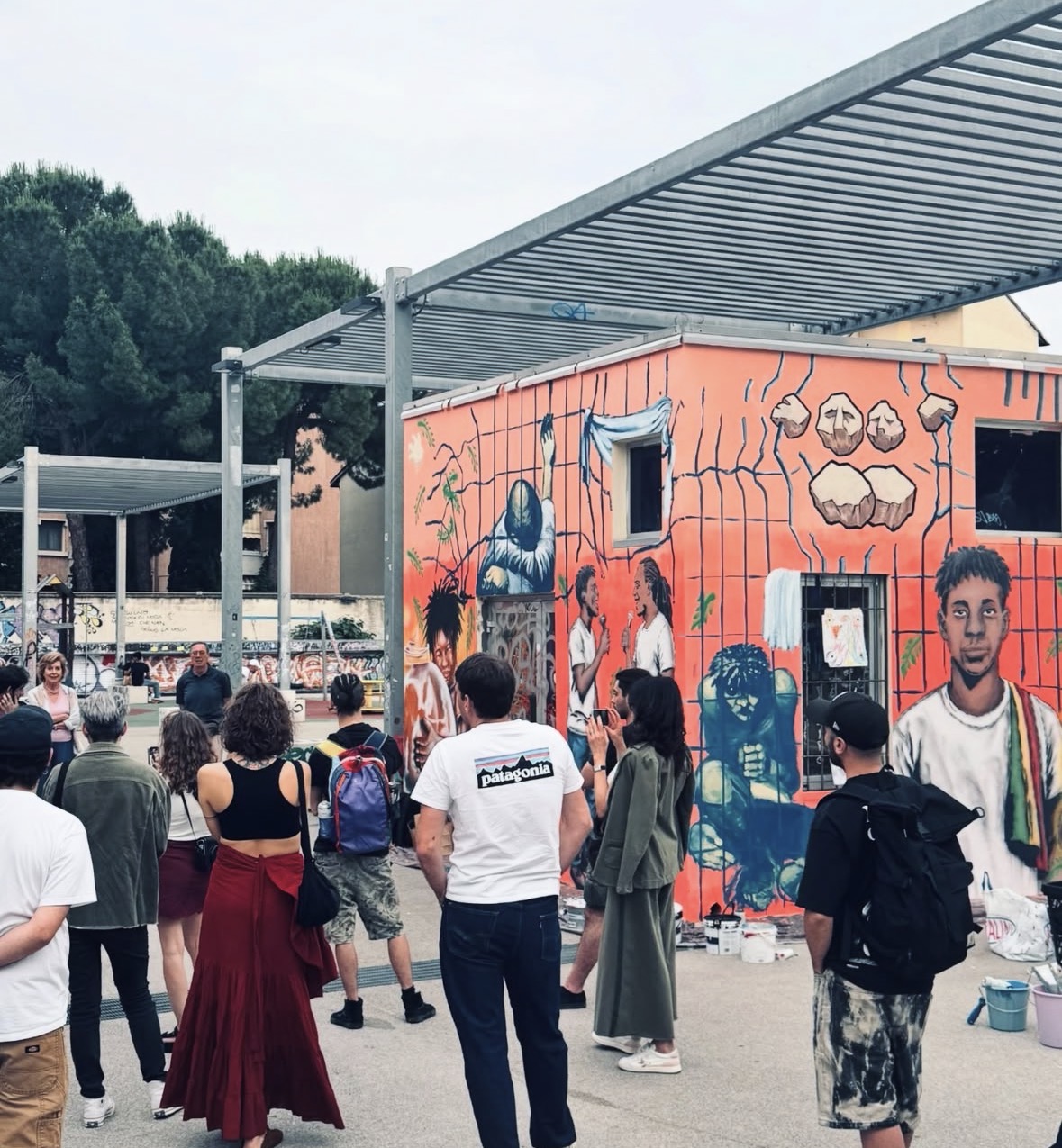
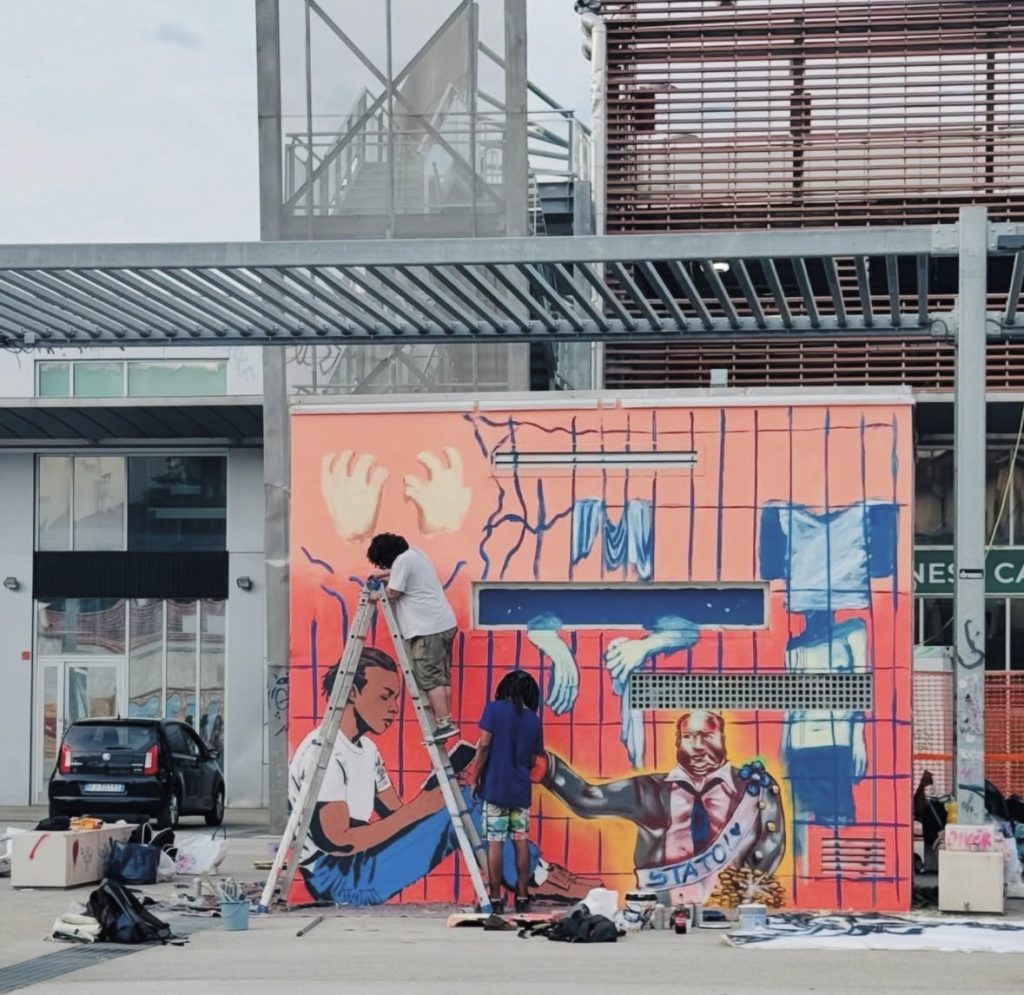
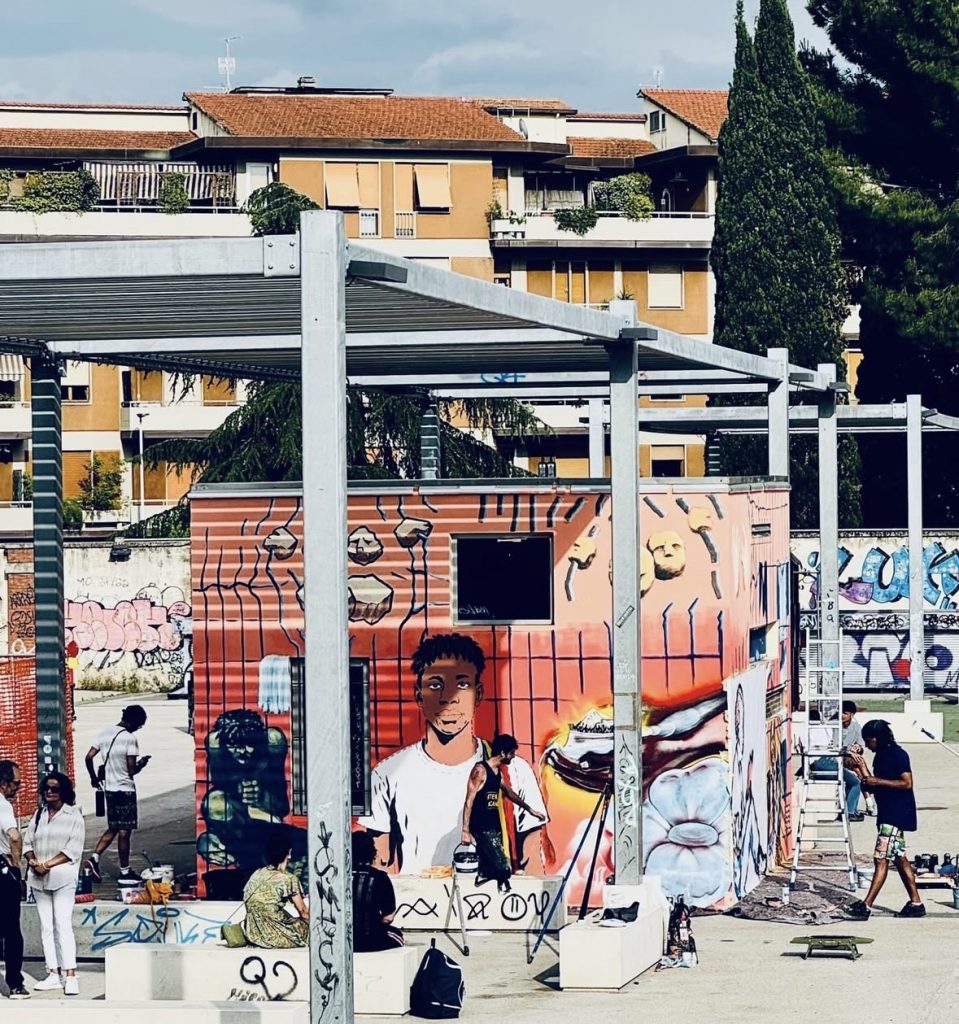
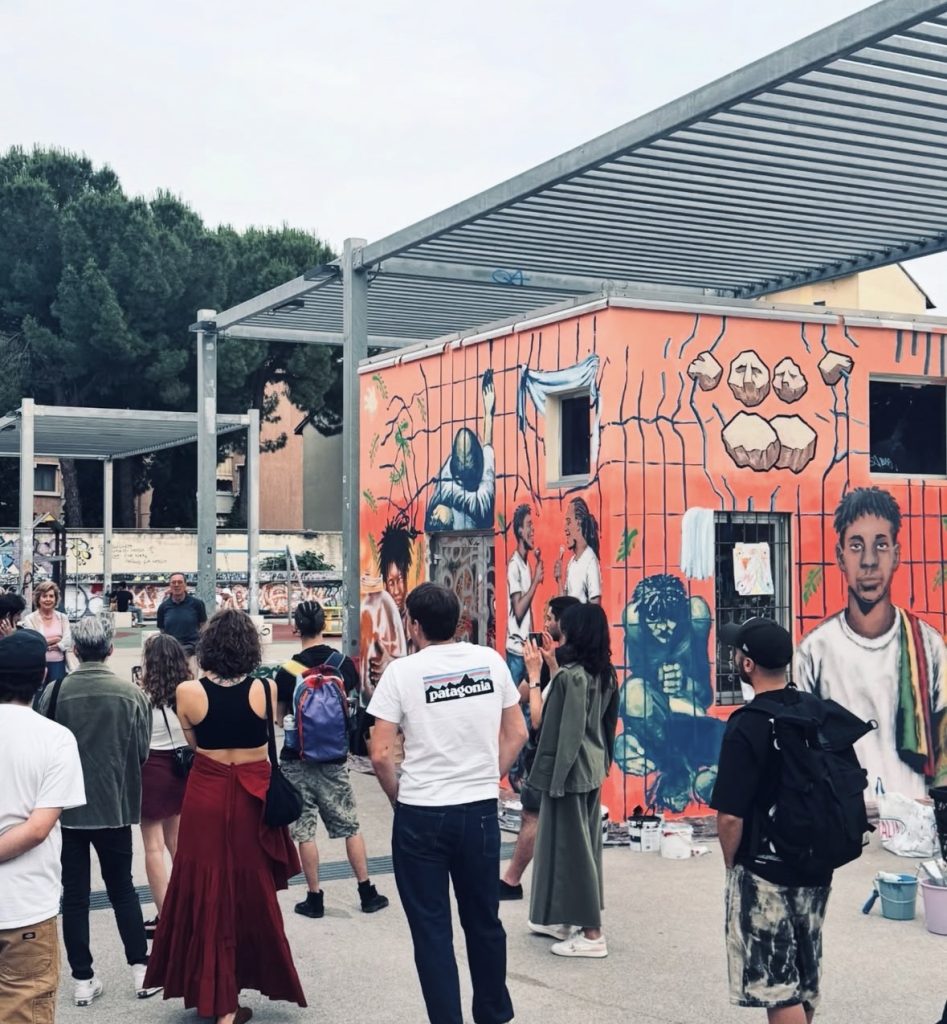
In 2025, the association launched the creation of a mural in District 2 of Florence, at the Piazza Nannotti cube, in memory of Ousmane Sylla and Moussa Balde, two young men who died by suicide while held in Repatriation Detention Centers (CPR).
The artwork emerged from a shared process—starting in June and concluding with its inauguration in October—involving residents and people frequenting the square. It featured the active participation of a group of artists (street and urban artists), both Italian and international, who contributed to a collective piece combining documentation and dreamlike visions, giving voice and color to the stories of the two victims.
Through this perspective, migration has been analysed as a process that calls into question fundamental concepts such as identity, belonging, borders, citizenship, and reception.
The programme combined in-depth theoretical insights with participatory methodologies, fostering dialogue and exchange among participants. Activities included interactive lectures, group discussions, case study analyses, and first-hand testimonies, offering multiple perspectives on the causes of migration, the experiences of migrants, and the socio-cultural and political impacts on societies.
Firenze (FI)
La sicurezza è un’altra storia
Launch of a dialogue process with local associations on the Security Bill.
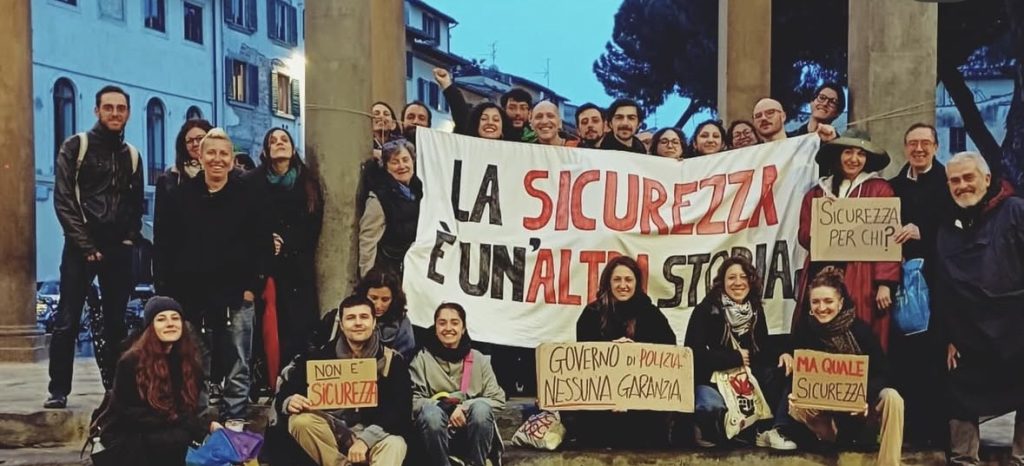
On Sunday, April 13, 2025, starting at 6:00 PM in Piazza dei Ciompi, the Florence group promoted a collective public assembly on the topic of the security decree-law.
This public gathering—preceded by a seminar held on December 7, 2024, at the Department of Education Sciences of the University of Florence (Via Laura), which involved numerous experts and professionals working on migration issues, as well as student collectives and journalists – was intended both as an informative moment and as a public expression of dissent.